
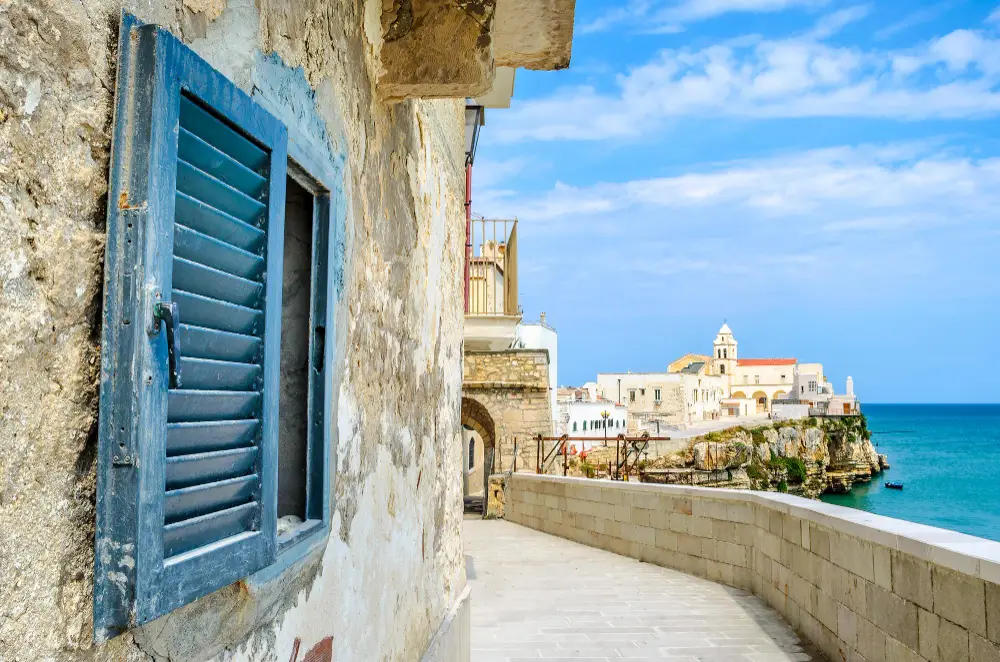
Salento: Where Roots Run Deep is more than just a phrase. It reflects a way of life shaped by land, family, friendships, historic memory and the community. In Salento, identity often begins close to home. It grows through family ties, village life, local traditions and the landscapes between two seas. The region has changed greatly over time, yet many of its strongest values remain familiar. Generations have worked the land, raised families and built businesses around close local networks.
Others left to find work elsewhere, carrying their Salento identity with them. Today, something meaningful is happening. Many descendants are looking back toward the places their parents or grandparents once left. Some return permanently. Others reconnect through family, property, food, language and local customs. Together, these movements give new energy to the Salento community. They show how Salento roots can stretch far beyond the region while still remaining deeply connected to home.
Two coasts, one shared identity
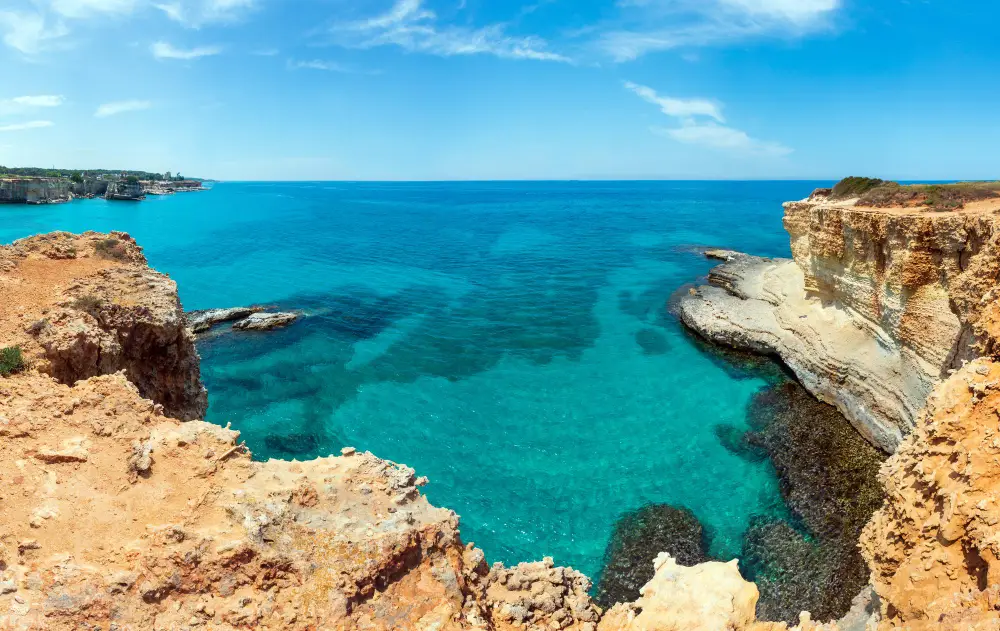
Salento sits between the Adriatic Sea to the east and the Ionian Sea to the west. These two unique coastlines give the peninsula two distinct characters. The eastern side feels more rugged, with cliffs, rocky coves, caves and towns facing the Adriatic. The western side opens onto wider beaches, lower coastlines and the softer character of the Ionian shore. These differences influence local routines, food traditions and even the rhythm of daily life. Yet they do not divide Salento identity. Instead, they add layers to it. A family from Otranto may experience the landscape differently from a family near Gallipoli. Still, both can share the same sense of belonging to Salento. That shared identity has deep historical roots. Long before modern provincial borders, Messapian communities lived across the peninsula.
Greek and Roman influence followed, while later centuries brought Byzantine, Norman and other Mediterranean connections. Each period left traces in language, architecture, farming and local customs. Over time, towns developed strong individual identities. However, people also built a broader sense of Salento heritage. Religious festivals, family celebrations, dialect, music and food helped strengthen those connections. Today, the two coasts still look and feel different. Nevertheless, they belong to one cultural landscape. This balance between local pride and shared belonging remains a strong feature of the Salento community.
The land that has shaped generations
The land plays a central role in understanding life in Salento. For centuries, families built their routines around soil, seasons and harvests. Olive trees, vineyards, wheat fields and vegetable plots formed part of everyday life. Even families without large farms often maintained a small piece of land. That connection created more than food or income. It created continuity between generations. Grandparents passed down knowledge about planting, pruning, harvesting and preserving.
Children learned by watching and helping. In this way, practical knowledge became part of Salento culture. The landscape also shaped social life. People worked together during harvests and shared equipment, labour and advice. Neighbours knew which families produced wine, olive oil, vegetables or cheese. Local markets connected small producers with towns and villages. As a result, agriculture helped create relationships as much as products. The land became part of family history. A field could carry the memory of parents, grandparents and earlier generations. Of course, Salento history also includes difficult periods.
Poor harvests, limited employment and economic hardship pushed many people to leave this unique part of Italy. Yet even after moving north or abroad, families often kept a strong emotional connection with their home villages. They returned for summer visits, weddings, religious celebrations and family gatherings. That bond explains why Salento roots remain powerful today. The land may look simple from a distance, but for many families it carries memory, identity and belonging.
Agriculture at the heart of salento life
Salento agriculture still holds an important place in the region’s identity. Farming has changed, but its cultural value remains strong. Olive oil, wine, vegetables, grains and other local products continue to connect people with the land. In many families, farming knowledge still moves from one generation to the next. Sometimes that knowledge supports a full-time business. In other cases, it survives through a small vineyard, orchard or vegetable garden beside the family home. Agriculture also shapes the wider economy. Local restaurants depend on regional produce. Food producers build brands around local ingredients. Markets give smaller growers direct contact with customers.
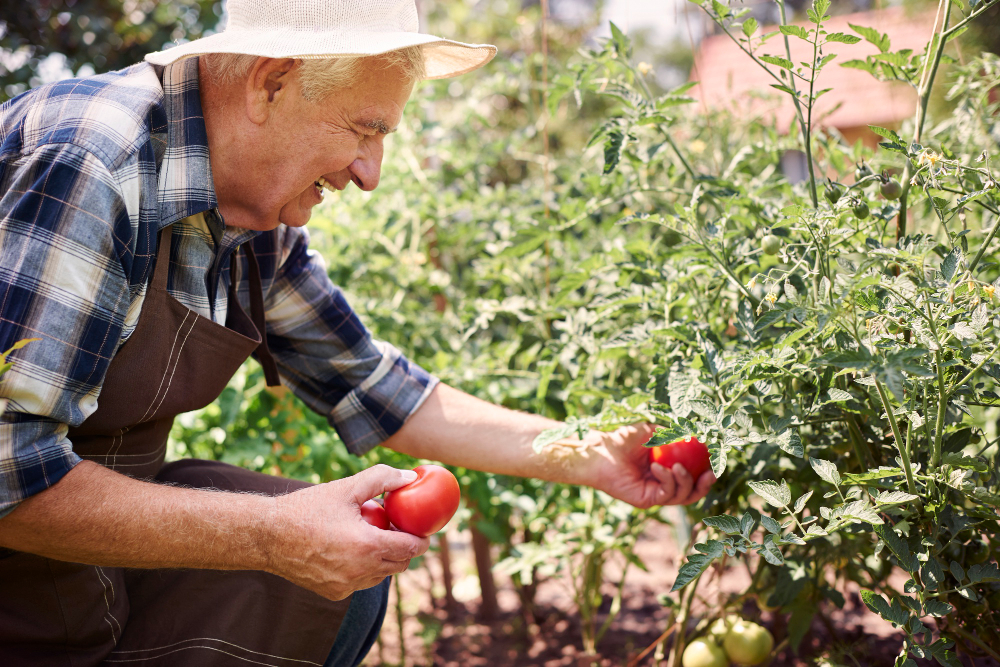
Meanwhile, farm stays, food workshops and local experiences create new income around traditional skills. These activities show how old practices can support modern businesses without losing their local character. The challenges remain serious. Climate pressure, water shortages, rising costs and the damage caused by Xylella have changed the landscape. Many olive-growing areas still face the consequences. Even so, local farmers continue to adapt. Some plant resistant olive varieties.
Others diversify into wine, vegetables, almonds or new crops. Younger entrepreneurs also combine farming with technology, direct sales and stronger branding. For the Salento community, this matters beyond economics. Agriculture keeps people connected to place. It preserves knowledge, supports local businesses and gives families a reason to care for the land. Therefore, Salento agriculture remains one of the clearest links between Salento traditions and the region’s future.
From departure to rediscovery
For much of the twentieth century, many Salento families faced a difficult choice. Local work could not always support growing households. As a result, young people left for northern Italy, Switzerland, Germany, Belgium and other countries. They worked in factories, construction, hospitality and many other sectors. Some expected to return after a few years. Others created new lives elsewhere. This movement changed villages across Salento. Streets became quieter, family homes stood empty for longer periods, and entire generations grew up far from their parents’ birthplace. Yet departure did not always weaken Salento identity.
In many cases, it strengthened it. Families kept recipes, dialect words, religious traditions and stories alive abroad. Children and grandchildren learned where their families came from. Summer visits often became important moments of reconnection. A grandparent’s house, a village festa or a familiar countryside road could carry enormous meaning. Now, the direction has started to shift for some families. Descendants return to restore homes, open businesses or spend longer periods in the region. Italian expats also reconsider the possibility of living closer to family roots.
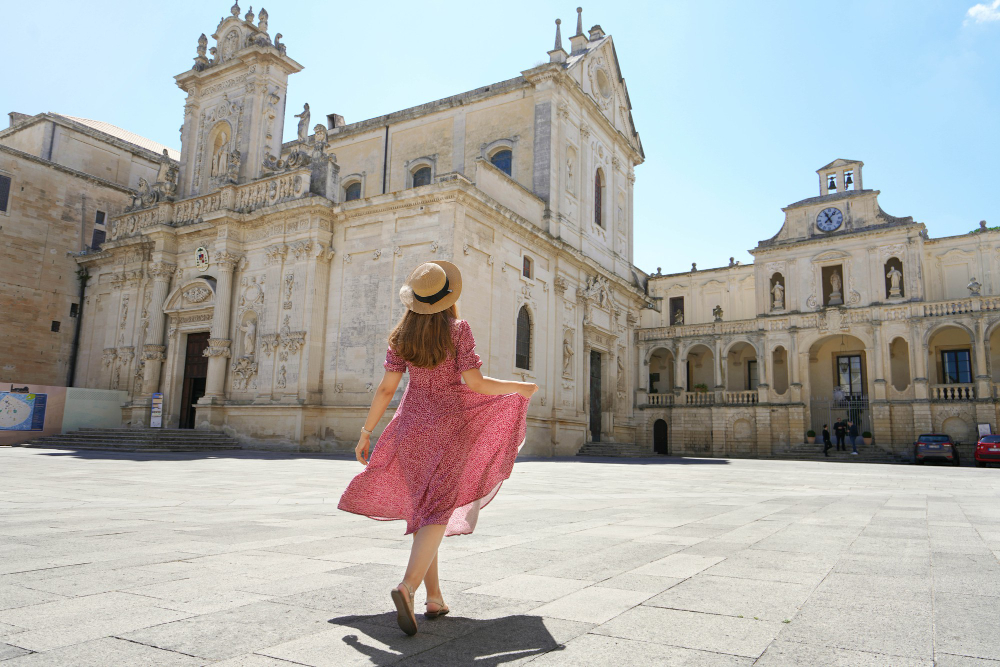
Digital work has made that choice easier for some people. At the same time, interest in local food, crafts and slower community life has grown. This rediscovery does not erase the economic challenges that caused earlier migration. However, it creates new possibilities. Salento heritage becomes something people can build upon, rather than something they only remember.
A new generation returning to its roots
A younger generation now looks at Salento with different eyes. Some grew up locally and once expected to leave. Others grew up elsewhere but heard family stories about villages, farms and grandparents. Today, more of them see value in reconnecting with those places. That does not mean everyone returns permanently. Still, even partial return can strengthen local life. People restore family homes, support local businesses, join community projects and spend more time in their ancestral towns.
This movement also changes the meaning of Salento traditions. Younger Salentini do not simply copy the past. They often combine old knowledge with new ideas. A family vineyard can develop direct online sales. A restored masseria can support local producers. Traditional crafts can reach customers through digital platforms. Small businesses can serve local communities while also connecting with people outside the region. In this way, Salento culture continues to evolve without losing its roots. The return also has a social effect. Older residents see family homes used again. Children hear local dialects and learn family stories.
Town centres gain new activity when younger people create businesses or events. Most importantly, returning Salentini bring relationships back with them. Salento: Where Roots Run Deep captures that connection well. Roots do not prevent change. They give people a place from which to grow. For many Salento families, the future may depend on exactly that balance between memory, opportunity and community.
Salento is here to stay
Salento has never depended on one landscape, one town or one generation. Its strength comes from connections between people, land and memory. The Adriatic and Ionian coasts give the peninsula different faces, yet Salento identity links them together. Agriculture has shaped families for centuries, while migration carried local traditions far beyond the region. Now, returning descendants and younger entrepreneurs add a new chapter. They bring fresh ideas while rediscovering older values. Salento roots remain strong because people continue to care for them. Families, communities and local businesses can keep that connection alive and help Salento heritage grow with each generation.
Frequently asked questions about salento roots
Family roots matter in Salento because family life has long shaped social, economic and cultural connections. Many families stayed close to the same towns, farms and neighbourhoods for generations. Even when people moved elsewhere for work, they often kept strong ties with relatives and home villages. These connections survived through visits, food, dialect, celebrations and family stories. As a result, Salento identity often extends beyond the place where someone currently lives. A person may grow up in Milan, Brussels or Zurich and still feel closely connected to a village in Salento. For many descendants, returning means more than visiting a place. It means reconnecting with family history, shared memories and a community that helped shape their identity.
Many people left Salento because local employment could not always provide enough opportunities. During the twentieth century, young workers often found better wages in northern Italy or abroad. Industrial growth created jobs in cities and regions that needed labour. Salento, meanwhile, still depended heavily on agriculture and smaller local economies. Families therefore made practical decisions. Sons and daughters moved away, sent money home and sometimes planned to return later. This migration changed many Salento communities, but it did not remove their connection with home. Migrants continued to return for family events, holidays and religious festivals. They also passed Salento traditions to their children. Today, those family connections help explain why many descendants feel drawn back to their roots.
Some younger people are returning, although the picture differs from town to town. The movement includes Salentini who left for study or work, as well as descendants who grew up elsewhere. Better digital connections now allow certain professions to operate from smaller towns. In addition, some young entrepreneurs see opportunities in food, agriculture, hospitality, crafts and local services. Others return for family reasons or because they want a closer connection with their heritage. Economic challenges still exist, so the trend should not be overstated. However, the return of even a modest number of younger residents can make a visible difference. New businesses, restored homes and community projects can bring activity back to places that previously lost population.
