The Salento coasts frame one of southern Italy’s most distinctive landscapes. The Adriatic Sea lies to the east, while the Ionian Sea shapes the western side. Both coastlines have their own character, yet Salento is much more than beaches and sea views. Between the two shores lies a living landscape of towns, farms, olive groves, vineyards, stone walls and open countryside. This inland area gives Salento much of its identity. Local families have worked the land for generations, while villages remain closely connected to agriculture and community life.
The distance between coast and countryside also feels surprisingly small. Locals often say that almost everything in Salento is only twenty minutes away. The phrase captures something important about the peninsula. A person can leave the coast and quickly find a village square, a vineyard or a quiet country road. That closeness between sea and land helps define Salento Italy.
The Adriatic coast and its dramatic cliffs
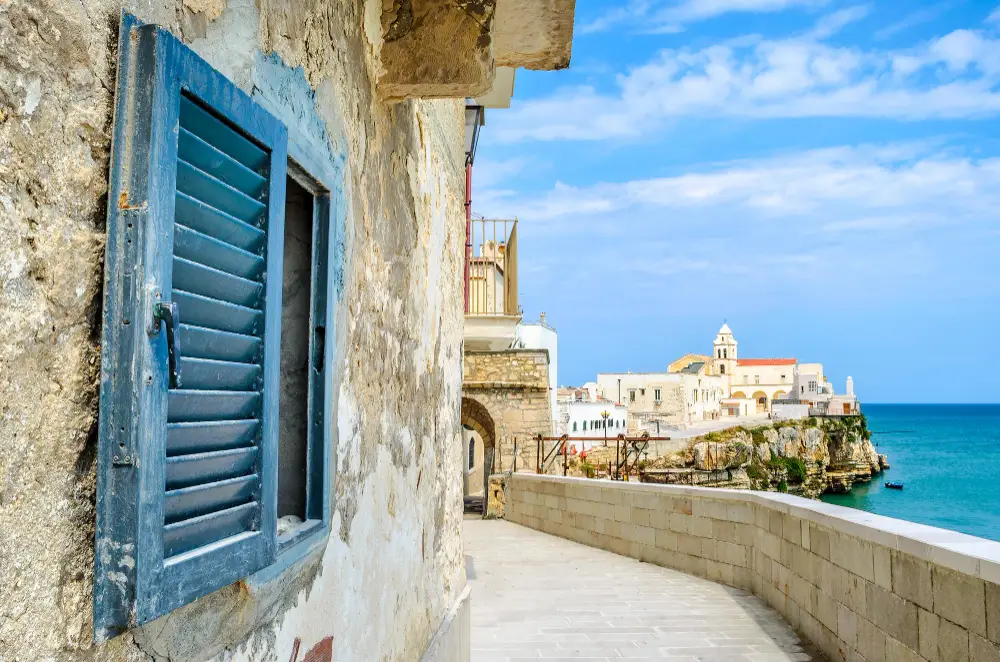
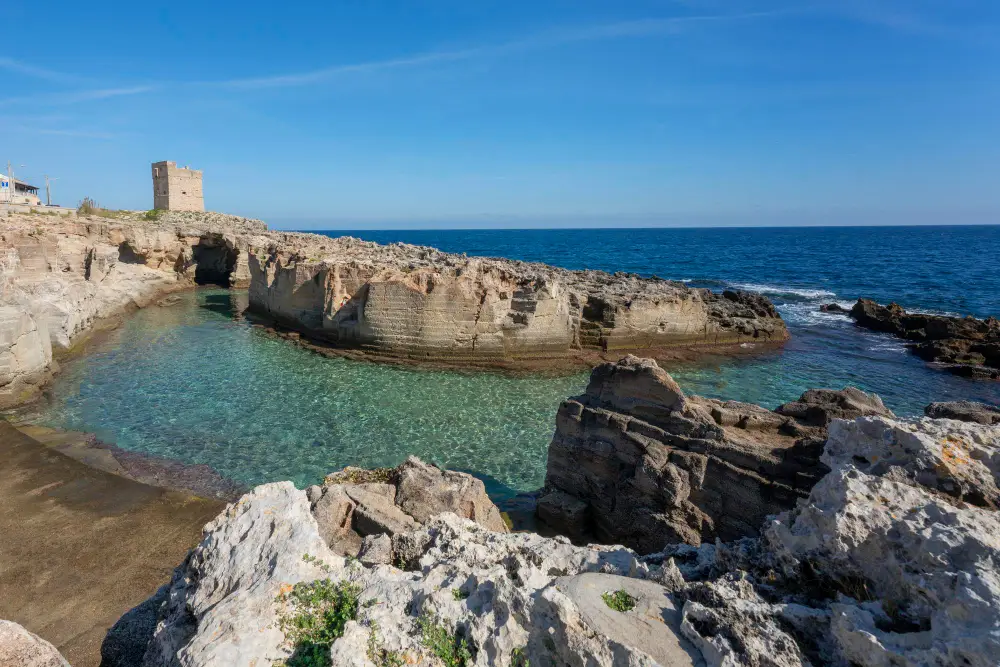
The eastern side of Salento offers a very different experience from the western coast. The Adriatic coast Salento is known for its rocky character, steep cliffs, caves and small coves. In many places, the land rises sharply above the sea. Roads follow the coastline through areas where stone, Mediterranean vegetation and blue water dominate the view. Towns such as Otranto and Santa Maria di Leuca help define this side of the peninsula, but smaller coastal communities also give the region its character. The coastline can feel dramatic, especially where cliffs meet deep water and rocky inlets interrupt the shore.
Yet the real strength of this coast becomes clearer when looking inland. A short drive away from the sea, the landscape changes quickly. Olive groves, dry-stone walls, farmland and small Salento villages replace the rocky shoreline. This contrast shows why the Salento landscape feels so varied within a relatively compact area. Coastal life and rural life remain closely connected. Fishing communities, farmers and village markets often form part of the same local economy. Many families have roots in both worlds.
The Adriatic side also reflects how people have adapted to the land. Rocky soil, strong winds and summer heat shaped farming methods over generations. As a result, the countryside close to the coast has its own visual identity. The sea may attract attention first, but the land behind it gives the eastern Salento coast much of its deeper character.
The Ionian coast and its endless beaches
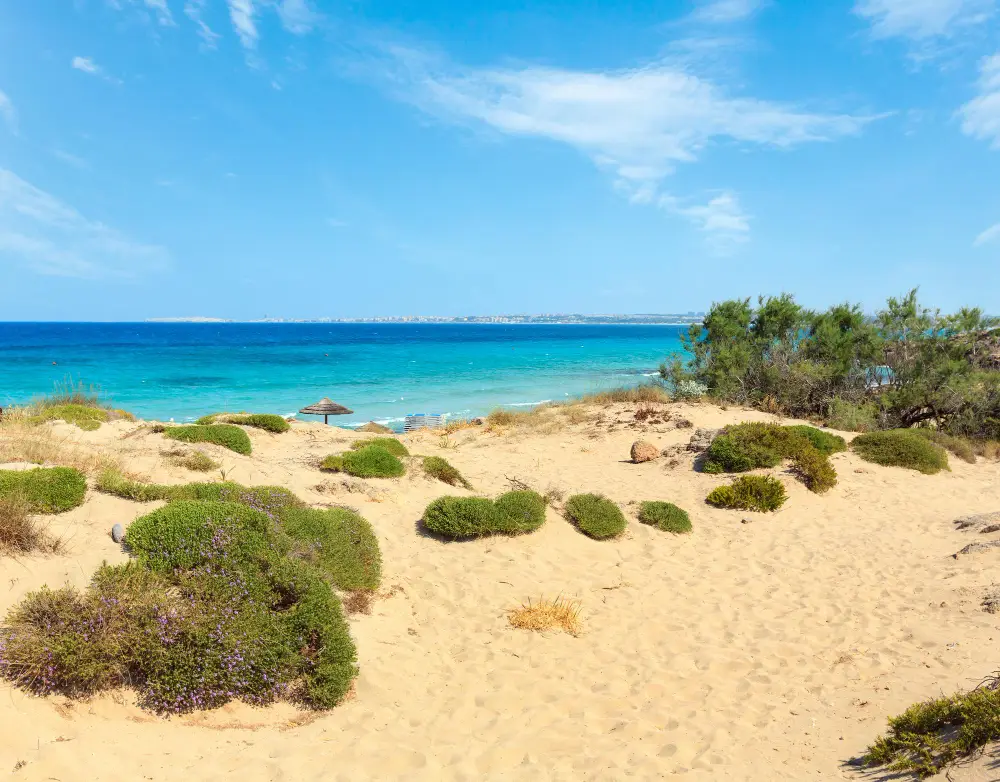
The Ionian coast Salento has a softer appearance. Long sandy beaches, low dunes and shallow turquoise water shape much of the western side. Areas near Gallipoli, Porto Cesareo and the southern Ionian coastline attract attention because of their open views and broad stretches of sand. Compared with the eastern side, the land often meets the sea more gently. The atmosphere changes as well. Wide horizons and calm water give this coastline a different rhythm.
However, the Salento beaches only tell part of the story. Just behind the coast, the landscape turns rural again. Fields, olive groves, vineyards and smaller towns sit only a short distance from the shoreline. In some areas, farmland appears almost immediately after leaving the beach. This closeness creates a strong connection between coastal life and inland Salento. Restaurants rely on local producers, markets bring together farmers and coastal communities, and families often move between village life and the coast during the same day.
The western Salento countryside also shows how agriculture and nature exist side by side. Vineyards stretch across flat land, while old farmhouses and dry-stone structures remain visible between fields. These elements give the area a strong local identity beyond the well-known beaches. For many Salento families, the coast represents only one part of daily life. Work, family, food and community often remain rooted inland. That relationship gives the Ionian side its full meaning. The sea provides beauty, but the land behind it provides continuity.
The towns and villages between two seas
Between the Adriatic and Ionian sides lies the heart of everyday Salento. The Salento villages and towns form a network that connects the entire peninsula. Some have larger historic centres and active commercial streets. Others remain smaller, with a central square, local church, family businesses and homes built close together. Each place has its own identity, yet many share the same strong connection to family, food, agriculture and local traditions.
Inland Salento often reveals itself through details. Stone houses, baroque façades, narrow streets and village squares all contribute to the character of the region. Markets remain important meeting points, while cafés and small shops give town centres a social role. In many communities, people still know where local products come from and who produces them. That direct connection gives everyday life a strong sense of place.
The inland towns also connect the two coasts in a practical way. Because Salento is relatively narrow, residents can often move from one side to the other within a short time. This makes the interior more than a space between beaches. It becomes the central link between different parts of the peninsula. People may live in one town, work in another and spend time on either coast.
For visitors with a deeper interest in Salento culture, these communities offer a broader understanding of the region. They show that Salento identity does not depend only on the sea. It also grows in town squares, family homes, workshops, farms and local businesses.
Agriculture and landscapes at the heart of Salento
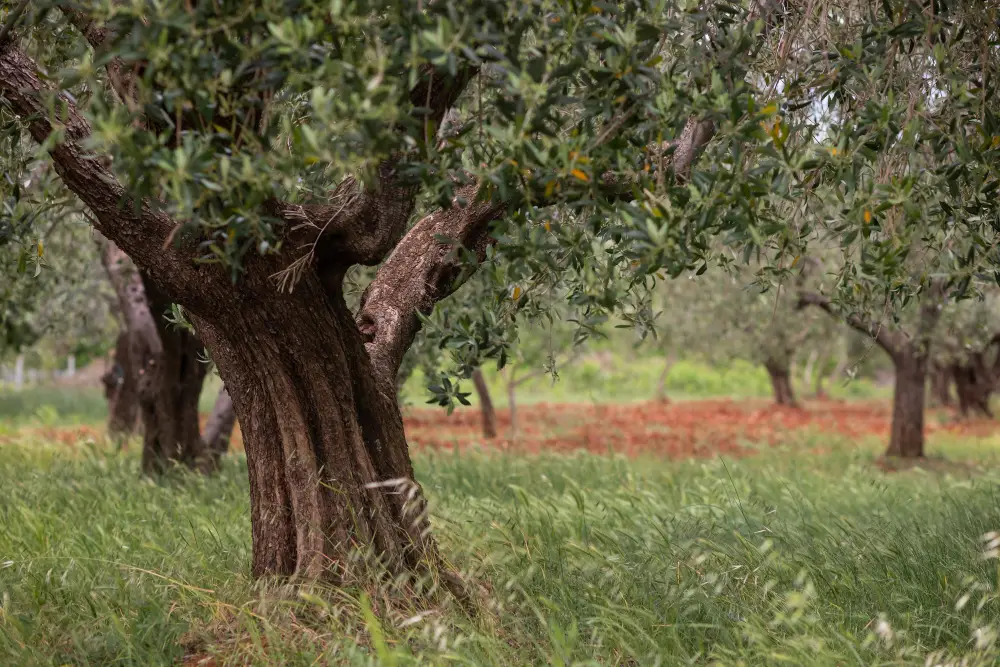
Salento agriculture has shaped the region for centuries. Olive trees, vineyards, wheat fields, vegetable crops and fruit trees have influenced both the economy and the appearance of the countryside. For many local families, farming goes beyond work. It connects generations and keeps knowledge tied to the land. Skills around pruning, harvesting, winemaking and food production often move from parents to children.
The Salento countryside reflects this long relationship. Dry-stone walls divide fields, old farm buildings remain scattered across the landscape, and olive groves create familiar patterns across large areas. Even where farming methods have changed, the structure of the land still tells a story. Agriculture continues to influence local food, family businesses and seasonal routines.
Challenges also shape this sector. Water shortages, changing weather conditions and damage to olive trees have forced farmers to adapt. Even so, many producers continue to invest in vineyards, vegetables, almonds and other crops. Younger entrepreneurs increasingly combine traditional knowledge with direct sales, digital marketing and local branding.
This matters because agriculture supports more than food production. It strengthens local identity and keeps economic activity connected to smaller communities. Restaurants, food producers, markets and family businesses all depend on this wider rural network. Therefore, the real beauty of Salento lies not only along the coast. It also appears in cultivated fields, country roads and working landscapes. These areas give Salento a depth that beaches alone cannot explain.
Salento, twenty minutes from everywhere
People in Salento often joke that everything is only twenty minutes away. The exact time naturally depends on the location, road and destination, but the expression captures the local sense of distance. Coast, countryside, towns and villages sit close together. A person can spend the morning near the sea, have lunch in an inland town and reach farmland or vineyards shortly afterwards. This compact geography strongly influences life in Salento.
The phrase also explains why the two coasts should not stand apart from the land between them. The Adriatic and Ionian sides connect continuously with inland communities. Farmers sell to coastal restaurants. Families live inland but spend time by the sea. Small businesses serve customers from nearby towns and villages. Local festivals draw people from across the peninsula. These connections make Salento feel both varied and closely linked.
For people considering moving to Salento, this closeness often becomes one of the region’s practical strengths. They can enjoy access to the sea without giving up village life or rural surroundings. Local entrepreneurs also benefit from working within a compact area where different communities remain within reach.
More importantly, the short distances help preserve a shared Salento identity. The landscape changes quickly, but the culture remains connected. Rocky cliffs, sandy beaches, farmland and historic towns all belong to the same everyday world. That balance gives the Salento coasts their real meaning. The sea creates the edges, while the land in between creates the heart.
Salento between sea and land
The Salento coasts offer two very different faces. The Adriatic side brings cliffs, rocky coves and dramatic views. The Ionian side offers broad beaches and softer shorelines. Yet the strongest impression often comes from what lies between them. Towns, villages, farms and open countryside connect the entire peninsula. Agriculture continues to shape both landscape and community, while short distances keep people closely linked across the region. Salento works as one complete landscape, not as separate coastal zones. The sea defines its boundaries, but the land, communities and daily life give it its lasting identity.
Frequently asked questions about Salento coasts
The Adriatic side generally has a rockier and more dramatic character. Cliffs, caves, rocky inlets and deeper water shape much of the eastern coastline. The Ionian side tends to have longer sandy beaches, lower coastlines and shallower water. However, both sides include local variations. The difference also continues inland. The Adriatic side often feels more rugged, while areas near the Ionian coast can appear flatter and more open. Both connect quickly with Salento villages, farmland and countryside. For that reason, comparing only the beaches gives an incomplete picture. Each coast forms part of a wider landscape that includes agriculture, historic towns, local businesses and strong community ties.
Inland Salento plays a central role in understanding the region. The countryside includes olive groves, vineyards, farmland, stone walls and historic farm buildings. Towns and villages add another layer through local markets, squares, churches and family-run businesses. Many traditions also remain closely linked to agriculture and village life. Because the peninsula is compact, the inland areas often sit only a short distance from either coast. This makes it easy to experience both sea and countryside within the same day. For people interested in Salento culture, local food, history and community life, the interior often provides the strongest sense of place. The coast gives Salento its edges, while the inland landscape helps explain its identity.
Distances vary, but many inland towns sit relatively close to one or both coastlines. Locals often say that everything is about twenty minutes away. This is more a familiar local expression than a precise rule, but it reflects Salento’s compact geography. From many central locations, people can reach the Adriatic or Ionian side without spending hours on the road. Some towns also sit conveniently between both coasts. That closeness affects everyday life. Residents can work inland, visit the coast and return home easily. Farmers, restaurants and local businesses also operate across nearby communities. As a result, Salento feels connected rather than divided into separate coastal and inland areas.